Women Behind the Mission - Chief Ife Bell
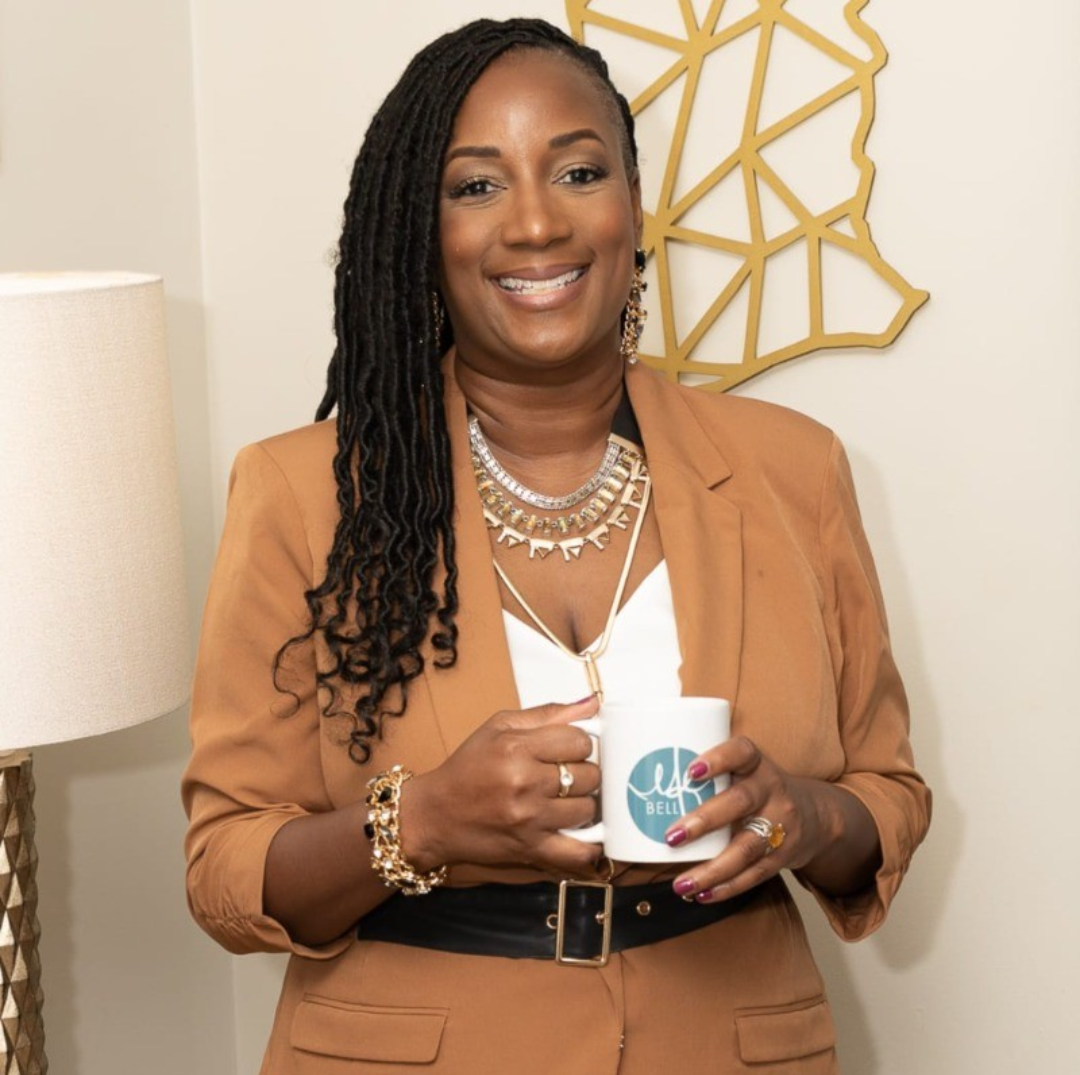
As part of our WAC Women Behind the Mission series in honor of Women's History Month, we are highlighting the remarkable women shaping global leadership and connection. This week, we feature HRH Naa Ife Bell, whose work across international leadership and her role as a royal leader in Ghana reflect a deep commitment to purposeful, people-centered impact. In her reflection, she shares how two formative experiences—learning to “lead with the end in mind” and understanding the power of asking the right questions—transformed her leadership approach, moving beyond uncertainty toward intentional, insight-driven action.
What early experience most shaped who you are today?
Two experiences early in my leadership journey shaped how I interact with the world today, personally and professionally. At the time, I didn’t realize they would eventually collide as an evolution in my leadership practice.The first was at a training where I learned a simple concept, "lead with the end in mind." The powerful question that became part of my lexicon was: What do we want to be true at the end of this meeting? Since most of us spend countless hours in meetings. That question transformed how I approached my work. It moved me away from what I jokingly referred to as the “spray and pray” method of leadership. Hoping that the time spent in those 'meetings' would eventually land us somewhere useful. The second experience occurred during my master’s program. There, I embraced a new approach to questions. It sounds simple, but I discovered that not all questions are created equal. Some questions merely gather information. Others unlock insight, engagement, and movement.Those two experiences shaped who I am today. For more than a decade, I’ve shared this strategy with thousands of leaders at every level, helping them move from “spray and pray." Much like a sommelier pairs the right wine to a meal, leadership requires pairing the right questions to the environment. When that pairing is right, conversations deepen, decisions sharpen, and progress accelerates.
What strengths do women uniquely bring to your field?
In global leadership, one strength many women bring is the ability to see connections between people and systems.
Throughout my journey, including my most recent role as a royal leader in Ghana, I have seen how progress often depends less on authority and more on the ability to bridge trust across cultures, institutions, and communities. Women leaders frequently excel at creating those bridges.
Seeing how systems are interconnected. Leadership rarely operates in isolation. Communities, institutions, and policies all influence one another. Women often bring a natural orientation toward mapping those relationships and identifying the assets already present within them.
They tend to approach collaboration in ways that are authentic and connective, recognizing that meaningful partnerships require more than alignment on goals; they require shared alignment among people. And the most valuable asset is almost always people, the knowledge they carry, the relationships they hold, and the possibilities they can unlock when they work together.
In an increasingly interconnected world, leaders who can cultivate connection to the outcomes, life, and leadership will be the ones who shape the future most effectively.
A quote you live by: “Leadership is a lifestyle.”
One lesson you learned the hard way: In the absence of information, people make it up.
A cause you care deeply about: Global exchange and Maternal health.